After your sewer scope inspection is complete, you'll receive a detailed report with video footage and findings. Understanding what these results mean is crucial for making informed decisions about your home purchase. This comprehensive guide will help you interpret every aspect of your sewer scope report and know exactly what steps to take next.
What's Included in Your Sewer Scope Report
A professional sewer scope inspection report should include several key components that give you a complete picture of your property's sewer system:
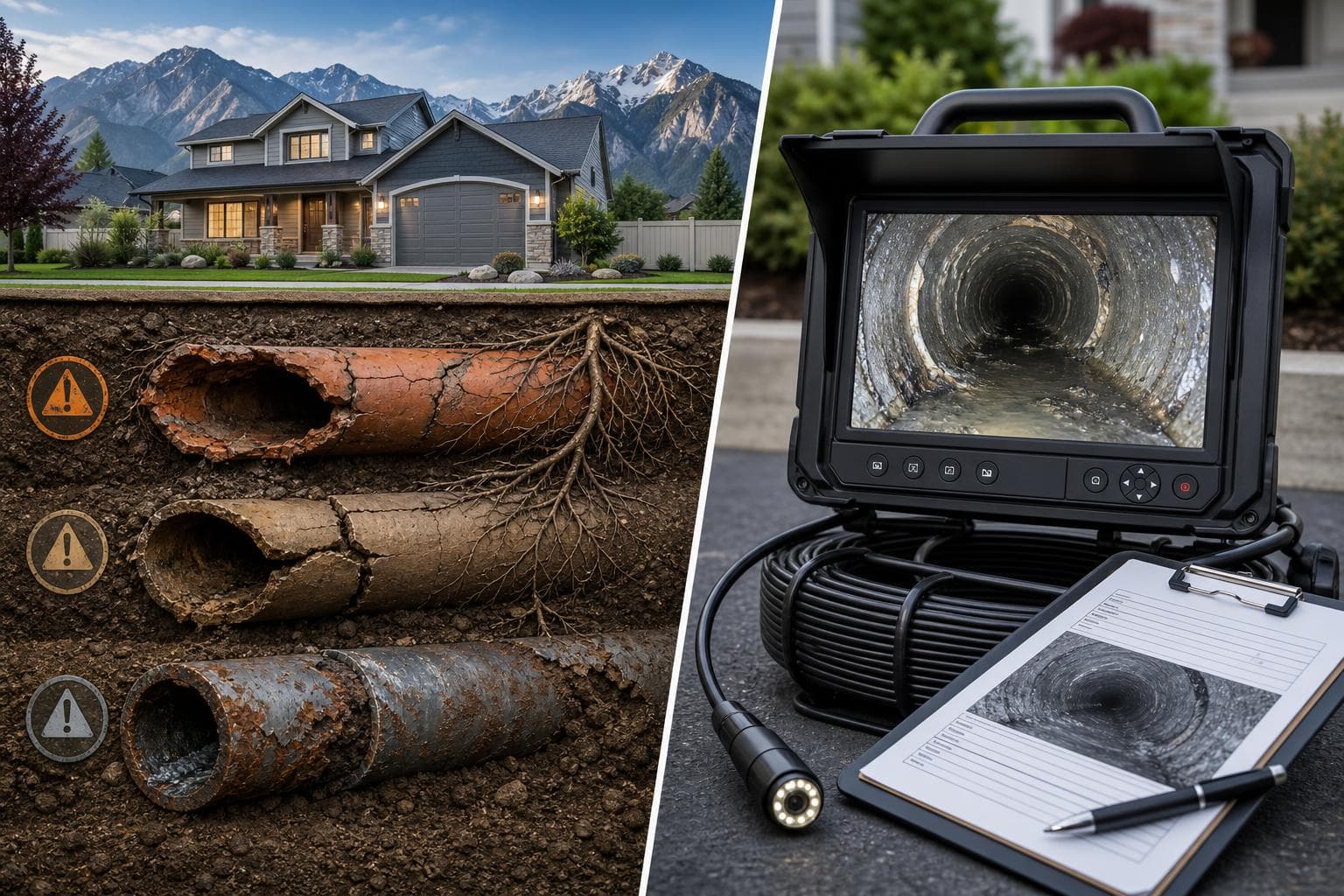
High-Definition Video Documentation
Your report will include complete video footage of the entire accessible sewer line, showing the camera's journey from entry point to the main connection. This visual evidence is invaluable for understanding the exact condition and location of any issues.
Written Summary and Analysis
Beyond the video, you'll receive a detailed written analysis that explains what was found, the severity of any issues, and recommended next steps. This summary translates technical findings into actionable information.
Photographic Evidence
Still images captured from key points in the video provide clear documentation of specific issues, making it easier to understand and share findings with contractors or real estate professionals.
🔍 Common Findings and What They Mean
Minor Issues (Negotiable but Manageable)
These issues are typically manageable and shouldn't derail your home purchase, but they're worth addressing:
Small Root Intrusions
- What it means: Tree or shrub roots have found their way into pipe joints
- Impact: Can cause slow drainage if left untreated
- Solution: Professional root cutting and preventive treatments
- Cost: $200-$500 for cleaning, $100-$200 annually for prevention
Minor Pipe Offsets
- What it means: Slight misalignment where pipe sections connect
- Impact: May collect debris over time but doesn't immediately affect function
- Solution: Monitor during regular maintenance
- Cost: Usually no immediate action needed
Light Buildup and Scale
- What it means: Normal accumulation of soap, grease, or mineral deposits
- Impact: Minimal impact on flow when light
- Solution: Professional cleaning every 2-3 years
- Cost: $150-$300 for professional cleaning
Small Cracks or Chips
- What it means: Minor damage that doesn't compromise structural integrity
- Impact: Monitor for expansion over time
- Solution: Regular inspections to track changes
- Cost: Monitoring is free; repairs if needed: $500-$1,500
Major Issues (Red Flags Requiring Immediate Attention)
These findings require significant investment and immediate attention:
Broken or Collapsed Pipe Sections
- What it means: Structural failure of the sewer line
- Impact: Complete blockage, potential sewage backup
- Solution: Excavation and pipe replacement
- Cost: $3,000-$15,000 depending on location and extent
Severe Root Damage
- What it means: Extensive root infiltration has compromised pipe structure
- Impact: Recurring blockages, potential pipe collapse
- Solution: Root removal, pipe repair/replacement, root barriers
- Cost: $2,000-$8,000 for comprehensive treatment
Complete Blockages
- What it means: Total obstruction preventing proper drainage
- Impact: Immediate sewage backup risk
- Solution: Emergency clearing, then assessment of underlying cause
- Cost: $300-$800 for clearing, additional costs for permanent fixes
Structural Failures
- What it means: Multiple points of failure affecting the entire system
- Impact: System-wide problems requiring extensive work
- Solution: Comprehensive sewer line replacement
- Cost: $8,000-$25,000 for full system replacement
Normal Conditions (What You Want to See)
Clean, Clear Pipe Interiors
- Smooth pipe walls with no obstructions
- Proper water flow throughout the system
- No visible damage or structural concerns
- Appropriate pipe materials in good condition
- Proper grade and alignment for optimal drainage
📹 Reading Your Video Report
Your sewer scope inspection includes high-definition video footage that documents the entire inspection process. Here's what to look for:
Entry Point Documentation
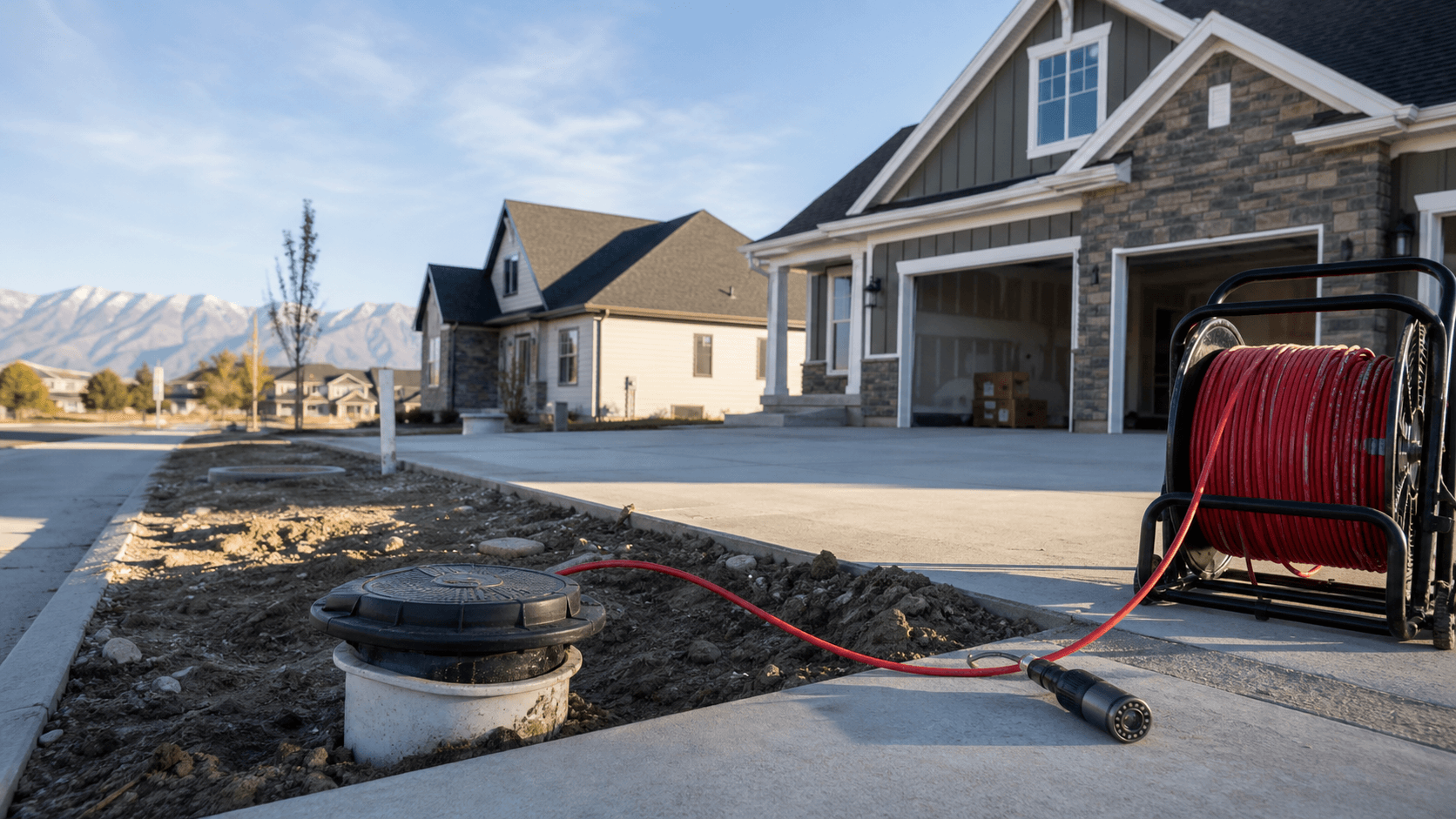
The video begins where the camera enters the system, typically through a cleanout or toilet flange. This shows the initial pipe condition and confirms the starting point for measurements.
Pipe Condition Throughout
As the camera travels through the line, you'll see the interior condition of every accessible section. Pay attention to:
- Pipe material changes
- Joint conditions
- Any debris or buildup
- Water flow patterns
- Structural integrity
Connection Points
Where pipes join together are common problem areas. The video will show how well these connections are sealed and aligned.
Distance Measurements
Professional equipment provides distance measurements, helping locate exactly where any issues occur relative to your home's foundation.
Exit Point Documentation
The video concludes at the main sewer connection, showing how your home's system connects to the municipal sewer or septic system.
❓ Critical Questions to Ask Your Inspector
When reviewing your report, make sure to ask about:
Repair Cost Estimates
- What are the estimated costs for any issues found?
- Are there multiple repair options available?
- Which repairs are most urgent vs. those that can wait?
Timeline and Urgency
- What's the timeline for needed repairs?
- Which issues require immediate attention?
- What problems can be monitored over time?
System Impact Assessment
- Do problems affect the entire system or just specific sections?
- How will identified issues impact daily use?
- Are there temporary solutions while planning major repairs?
Maintenance Recommendations
- What ongoing maintenance will prevent future issues?
- How often should follow-up inspections be scheduled?
- Are there preventive measures specific to your property?
Warranty and Follow-up
- What warranty coverage applies to recommended repairs?
- Will the inspector provide follow-up verification after repairs?
- Are there guarantees on the inspection findings?
💰 Using Your Report for Negotiations
A sewer scope report gives you concrete evidence for real estate negotiations:
Price Reductions
Use documented repair costs to justify price reductions. Professional estimates carry more weight than general concerns about "potential problems."
Seller Credits
Request credits at closing for future maintenance needs. This allows you to choose your own contractors and timing for repairs.
Repair Requirements
Specify exactly what repairs must be completed before closing, using your report's findings as the basis for requirements.
Deal Breakers
For severe problems, your report provides clear justification for walking away from deals that would result in excessive repair costs.
🛠️ Next Steps After Your Inspection
Depending on your findings, here's how to proceed:
Clean Report
- Proceed with confidence in your purchase
- Keep the report for future reference
- Schedule routine maintenance as recommended
- Consider annual follow-up inspections for older systems
Minor Issues
- Get repair estimates from qualified contractors
- Negotiate repairs or credits with the seller
- Plan maintenance schedule to prevent issue progression
- Document any agreed-upon repairs in purchase contracts
Major Issues
- Obtain multiple repair estimates from licensed professionals
- Consider the total cost of ownership including repairs
- Evaluate whether the property remains a good investment
- Consult with your real estate agent about negotiation strategies
Severe Problems
- Consult with your real estate agent about next steps
- Consider whether repair costs exceed your budget
- Evaluate alternative properties if costs are prohibitive
- Use findings to justify contract termination if necessary
🏠 Property-Specific Considerations
Age of Home
- Homes built before 1980 often have original sewer lines nearing replacement time
- Newer homes may have installation issues or settling problems
- Mid-age homes (1980-2000) often need joint sealing or partial repairs
Local Factors
- Utah County's clay soil can cause settling and pipe movement
- Mature landscaping increases root intrusion risk
- Seasonal freeze-thaw cycles can affect pipe integrity
- Local water mineral content affects buildup rates
Property Layout
- Longer sewer runs have more potential problem points
- Properties with elevation changes may have grade issues
- Homes with multiple bathrooms have more complex systems
- Basement bathrooms may have unique drainage challenges
📞 When to Call for Expert Analysis
Contact TrueView Sewer for detailed report analysis and expert guidance when you need:
- Clarification on technical findings
- Second opinions on repair recommendations
- Help prioritizing multiple issues
- Assistance with contractor selection
- Follow-up inspections after repairs
Don't let uncertainty about your sewer scope report impact your home buying decision. Our experienced team provides clear explanations and practical guidance to help you make informed choices.
For detailed report analysis and expert guidance, contact TrueView Sewer to schedule your inspection.