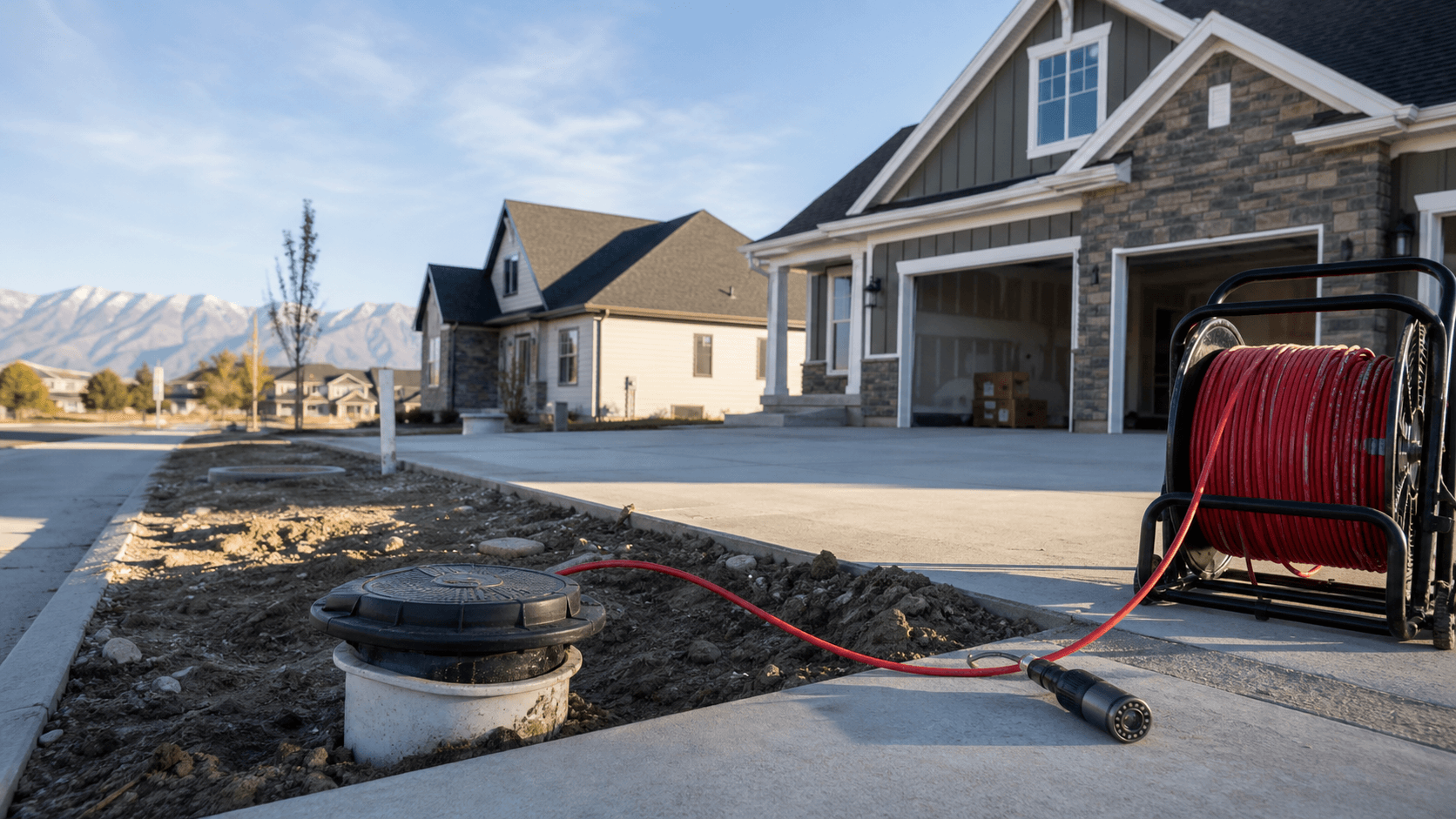
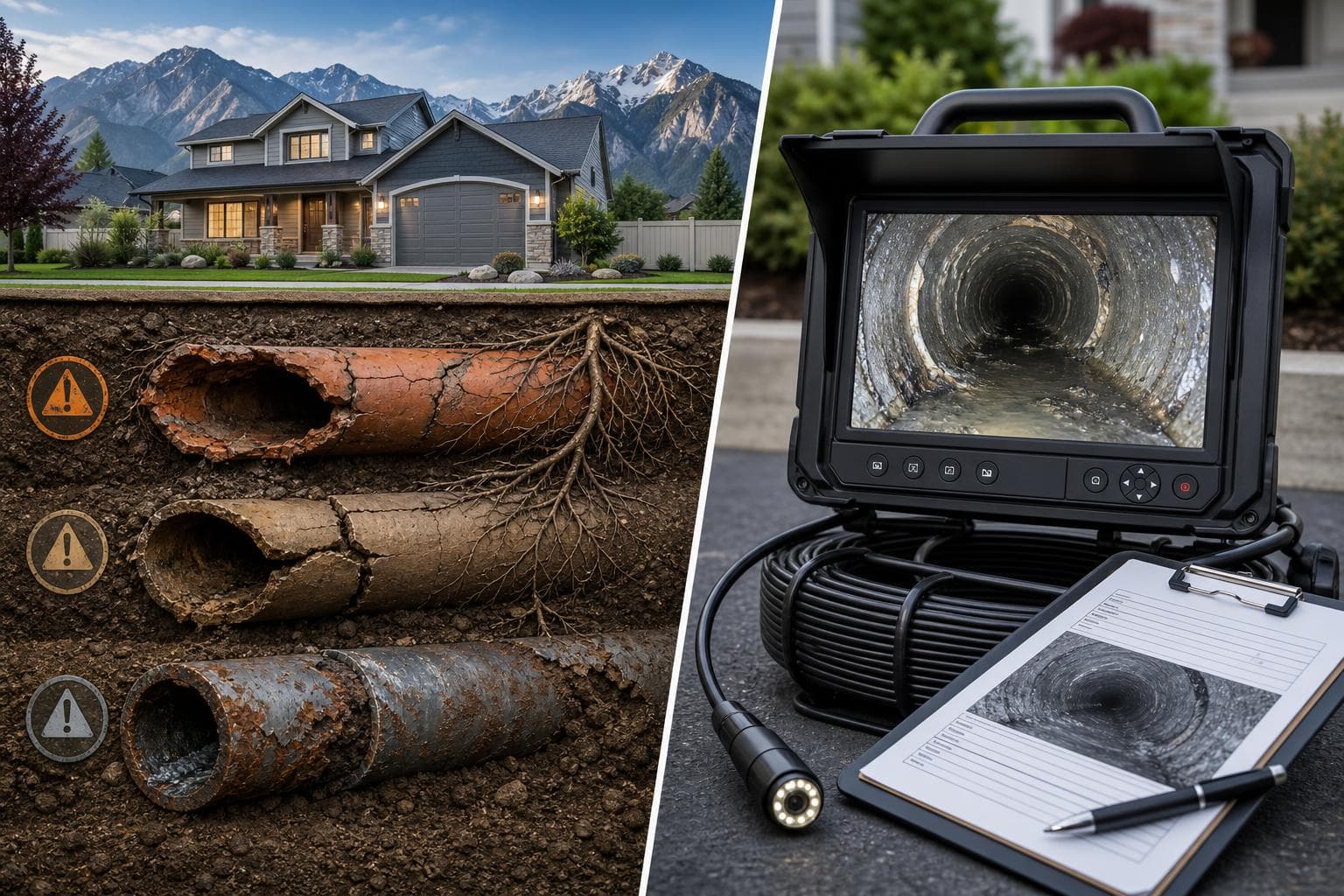
In most Utah County home transactions, the buyer pays for the sewer scope inspection as part of due diligence.
That said, who pays for repairs (or credits) is negotiable—and that’s where buyers and agents either protect the deal or lose leverage.
If you understand how to structure this conversation before contingencies expire, you can avoid expensive surprises and still keep momentum toward closing.
The short answer
- Inspection cost: Usually paid by the buyer.
- Repair cost: Negotiated based on findings.
- Common outcomes: Seller repair, seller credit, price reduction, or as-is acceptance.
The key is getting clear sewer documentation early enough to make a smart decision while you still have contract leverage.
Why this matters in Utah County
Utah County is still a fast-moving market. Buyers often feel pressure to simplify offers, shorten timelines, or skip inspections.
That pressure is exactly why sewer scope decisions matter. Sewer line issues are one of the few hidden problems that can create major post-closing costs if missed.
A sewer scope is usually a small upfront cost compared to the potential downside.
What “buyer pays” usually looks like in real life
In a typical transaction:
- Buyer orders and pays for the scope.
- Findings are documented with video/photos.
- Buyer and agent decide whether to request concessions.
- Parties negotiate repair/credit/price terms before deadlines.
That process is normal and expected. Paying for the inspection does not mean the buyer automatically absorbs the risk of a major defect.
What can be negotiated after findings
When meaningful issues are found, the most common paths are:
1) Seller completes repair before closing
Best when timing allows and repair scope is clear.
2) Seller gives a closing credit
Common when both sides want speed and flexibility.
3) Purchase price adjustment
Useful when both parties agree on likely repair cost.
4) Buyer accepts as-is
Sometimes the right call for minor issues, strong pricing, or strategic priorities.
The right outcome depends on severity, bid quality, and timeline—not on a fixed rule.
A practical negotiation framework for buyers and agents
When a report shows a concern, use this sequence:
- Classify severity (maintenance item vs. material defect).
- Get repair estimates for major items.
- Choose target ask (repair, credit, reduction).
- Tie ask to evidence from scope media and bid assumptions.
- Set response deadlines before contingency windows close.
This keeps the conversation factual and reduces emotional back-and-forth.
Utah County factors that often affect leverage
A few local realities influence how these negotiations go:
- Home age and likely pipe material era
- Mature landscaping and root pressure
- Soil movement and grade-related stress
- Access complexity (depth, driveway, hardscape)
Context matters. Two homes with “similar findings” can have very different repair implications.
Common questions
Is a sewer scope included in a normal home inspection?
Usually no. It is generally a separate inspection.
Can a seller refuse repairs?
Yes. They can refuse—but buyers can still negotiate credits, pricing, or decide not to proceed based on contract rights.
Should newer homes still be scoped?
Often yes. Newer construction can still have installation defects, slope issues, or connection problems.
Is a sewer scope worth it?
In most transactions, yes. It helps convert unknown risk into documented facts before closing.
Bottom line
In Utah County, buyers usually pay for the sewer scope itself—but the financial outcome after findings is negotiable.
The best move is simple: scope early, document clearly, and negotiate from evidence while you still have leverage.
If you want independent findings without repair upsell pressure, book a sewer scope and make the closing decision from facts.