If you buy or sell homes in Utah long enough, you eventually see it: a deal that looks clean on the surface, then a sewer line issue shows up late and blows up timelines.
A sewer scope is usually fast and relatively affordable, but the value depends on asking the right questions early.
Below are the questions Utah homebuyers and realtors are asking most right now—and the ones we recommend having answered before due-diligence deadlines get tight.
1) “Do we need a sewer scope if the general home inspection is already scheduled?”
In most cases, yes.
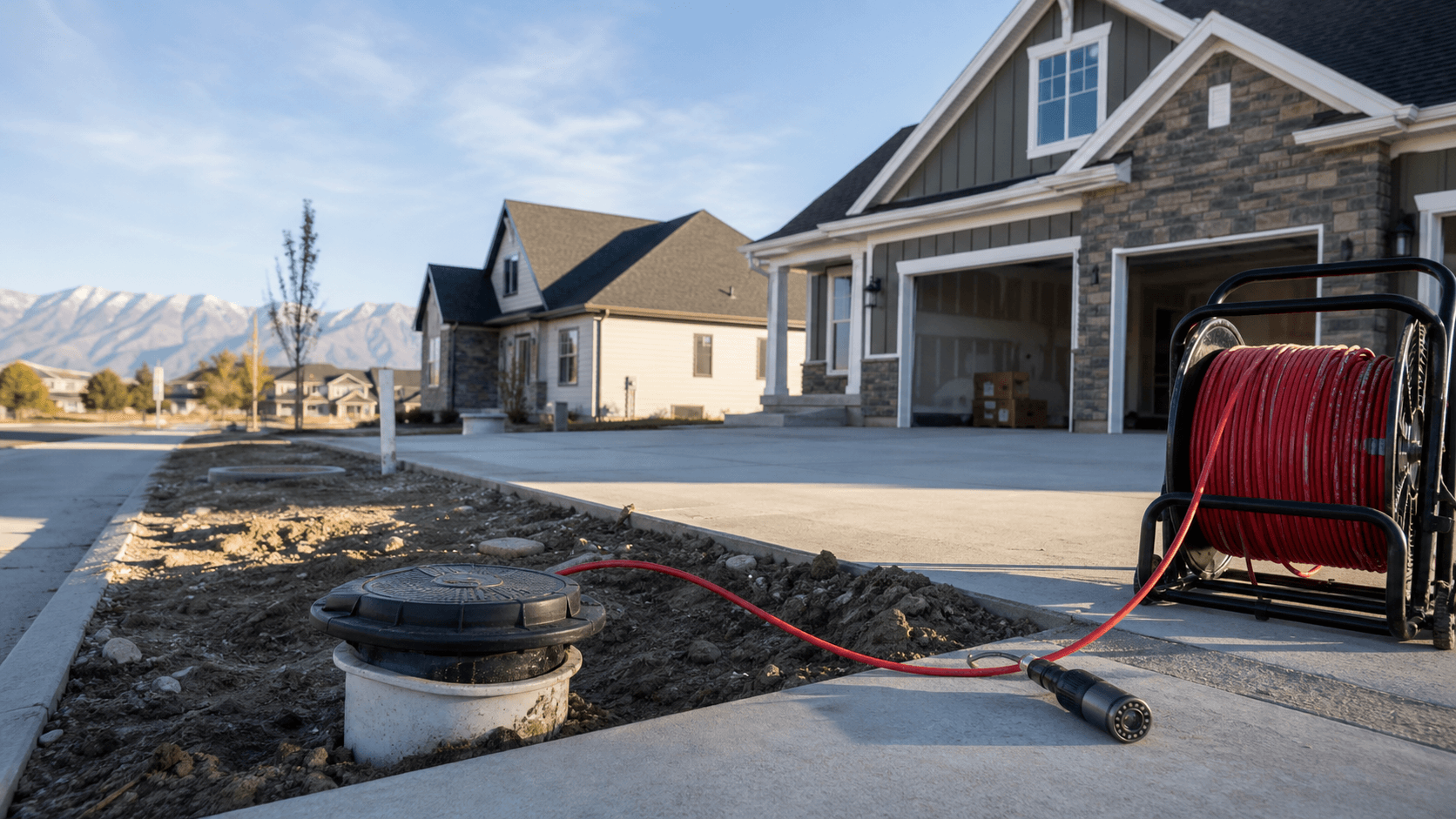
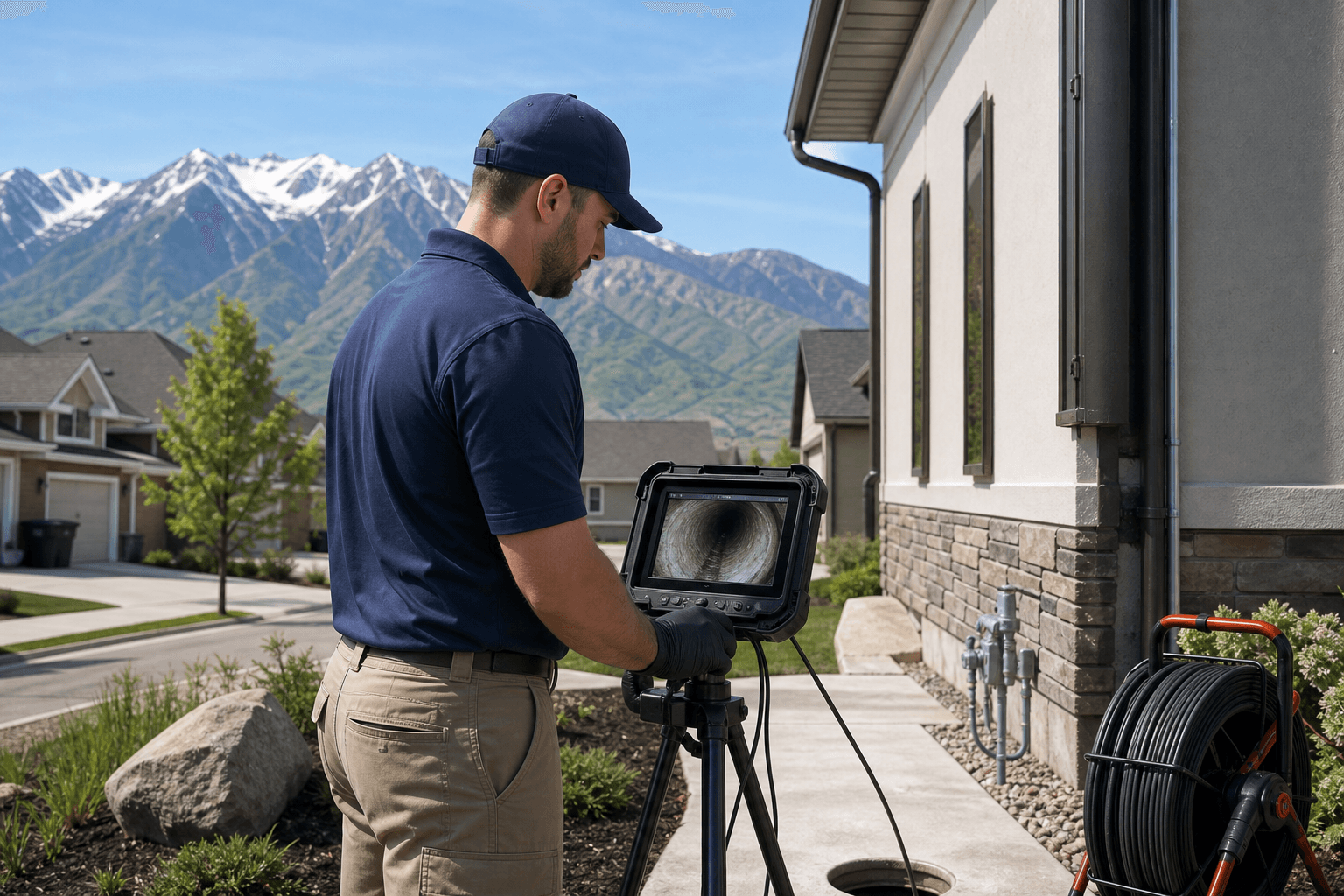
A standard home inspection usually does not inspect the underground sewer lateral with a camera. That’s why many Utah buyers add a separate sewer scope during due diligence.
Think of it this way: the home inspection checks many systems broadly; the sewer scope checks one high-cost risk in detail.
2) “When should we schedule it in the Utah contract timeline?”
As early as possible after contract acceptance.
Utah transactions often move quickly, and buyers need enough time to:
- Review findings
- Get repair bids if needed
- Decide whether to request repairs/credits
- Resolve concerns before deadlines
Waiting until the end of due diligence is where leverage disappears.
3) “What does a sewer scope usually cost in Utah?”
Pricing varies by access, property layout, and deliverables, but Utah buyers typically see pricing in a few-hundred-dollar range for a standalone scope.
More important than the lowest price is what’s included:
- Full video of the run
- Written findings you can share
- Clear callouts on issue locations
- Delivery speed that fits your contingency window
4) “What problems are most common in older Utah neighborhoods?”
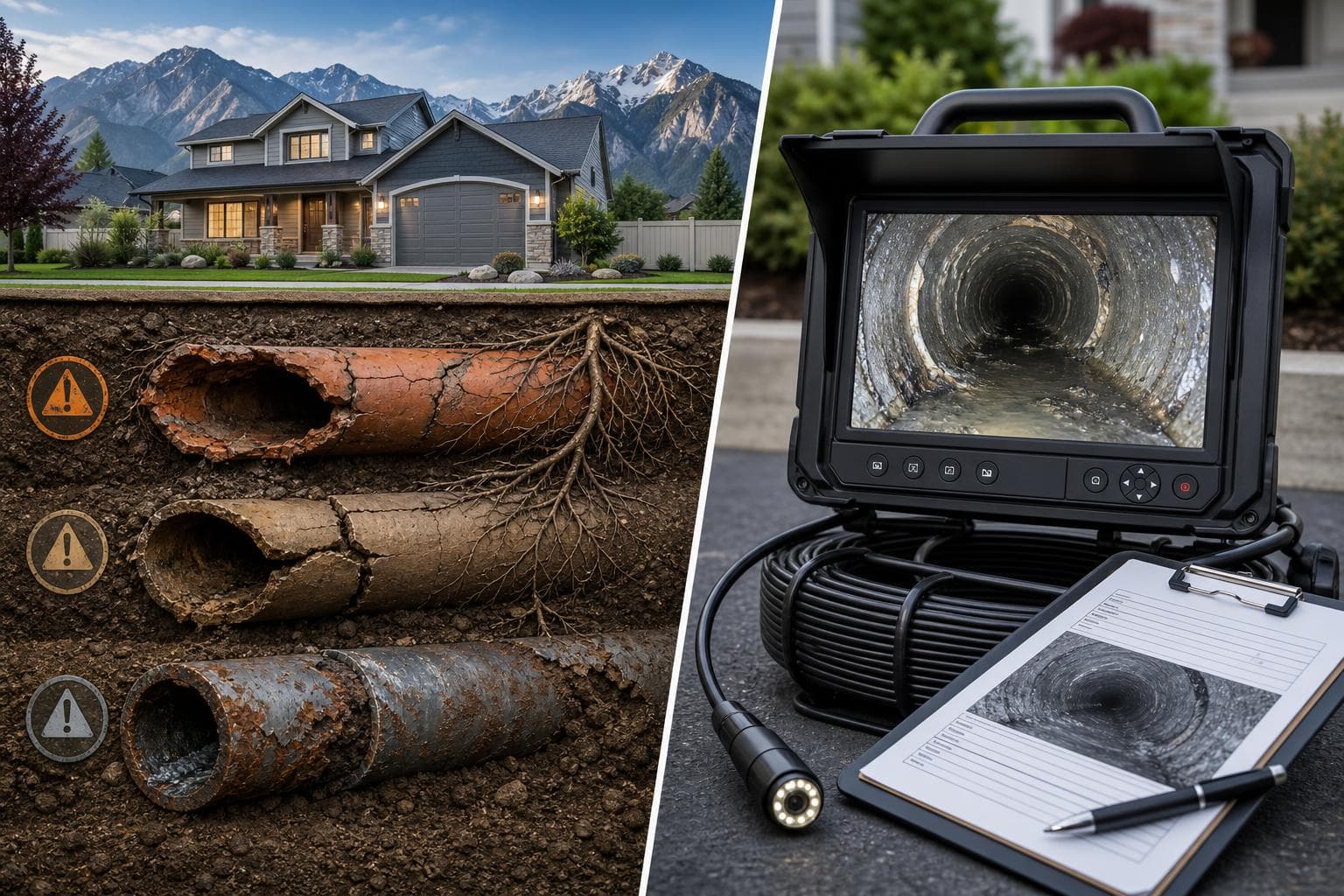
Across older housing stock, common findings include:
- Root intrusion
- Cracked or offset joints
- Belly/sag sections where water and waste collect
- Heavy buildup and recurring blockage points
Not every issue is a deal-breaker. The goal is to know the condition now, not after move-in.
5) “Can the report actually help with negotiation?”
Yes—if the report is clear and documented.
A useful report gives buyers and agents objective evidence to discuss repair requests, credits, or pricing adjustments. Vague notes are harder to use in negotiation than timestamped video plus written findings.
6) “What should realtors ask before hiring a sewer-scope provider?”
At minimum, ask:
- Do you provide full video and written summary?
- Can you mark where issues appear in the line?
- What is your turnaround time?
- Have you worked with real-estate due-diligence timelines?
A technically good inspection that arrives too late can still create transaction risk.
7) “What if there is no accessible cleanout?”
This comes up more than people expect.
If access is limited, ask the inspector what options exist and whether a plumber is needed to create or expose access. The key is to identify access constraints immediately, not on the last day of due diligence.
8) “Should buyers attend the sewer scope appointment?”
It can help, especially for first-time buyers.
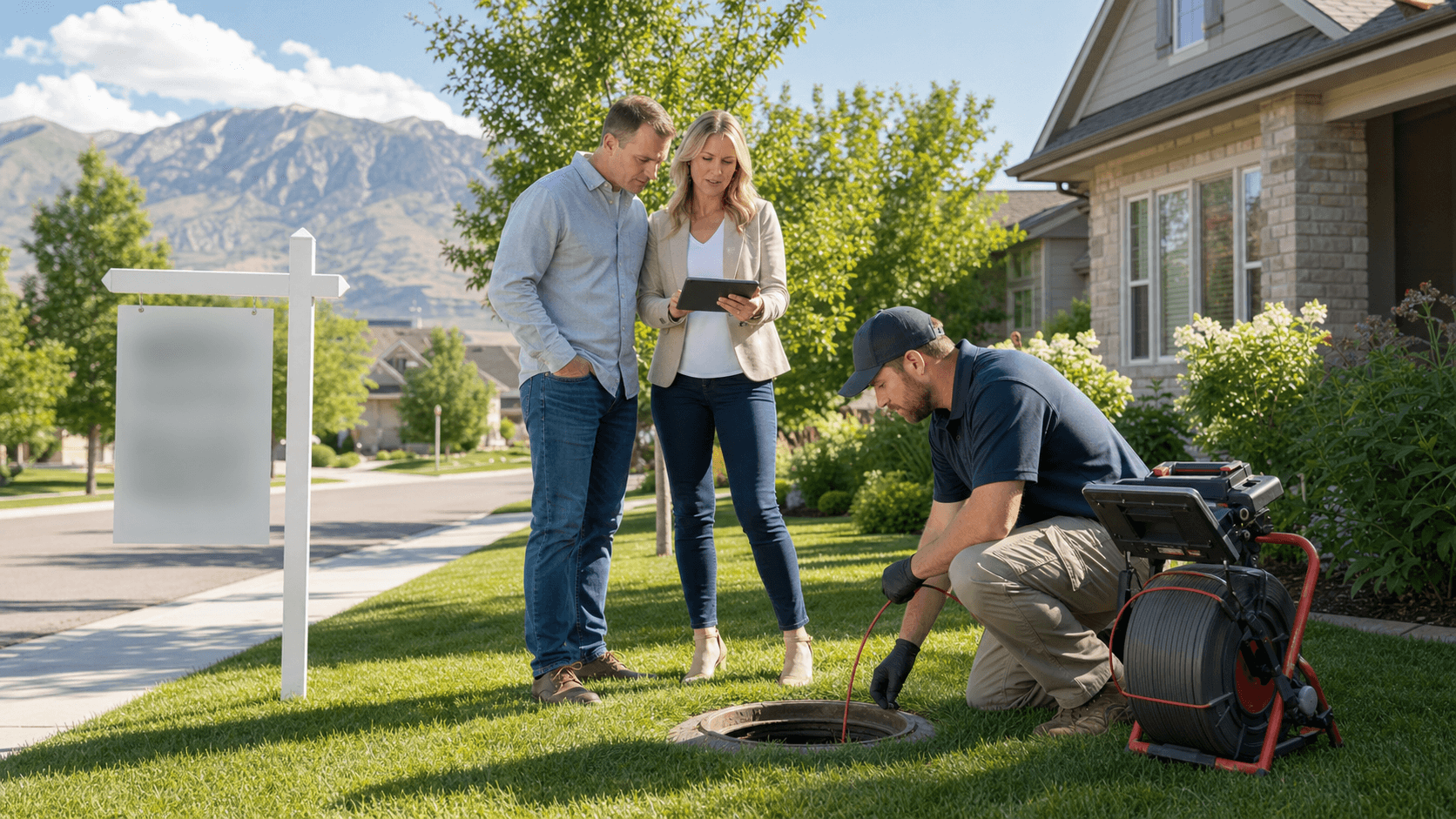
When buyers see live footage and ask questions in real time, they usually make faster, calmer decisions later. If they can’t attend, agents should request a quick walkthrough call once the findings are ready.
9) “How serious is a root intrusion or offset joint?”
It depends on severity and location.
Some findings are maintenance-level. Others point to repair or replacement risk. The right next step is usually to pair the sewer-scope evidence with contractor estimates before final negotiations.
10) “What should be in our due-diligence file before we sign off?”
For cleaner decisions, keep this package together:
- Sewer scope video
- Written findings report
- Any follow-up bids/estimates
- Agent notes on requested credits/repairs
- Final resolution in writing before deadlines
This creates a clear paper trail and reduces post-closing surprises.
Quick checklist for Utah buyers and agents
Before due diligence ends, confirm you can answer all of these:
- Was the sewer lateral camera-scoped end to end (as far as accessible)?
- Do we have video + written findings in hand?
- Did we get estimates for material defects?
- Did we negotiate before deadlines?
- Are all resolutions documented?
If yes, you’re in a much stronger position than most buyers who skip this step.
Final word
In Utah real estate, sewer issues are rarely the most visible risk—but they can be one of the most expensive.
A sewer scope won’t eliminate every unknown, but it gives buyers and agents something better than guesswork: evidence early enough to act on it.
If you want help reviewing a property during due diligence, TrueView can walk you through what to look for and what to do next based on the actual findings.
Related guides
- Sewer Scope vs Home Inspection in Utah: What Each Covers (2026)
- Sewer Scope Inspection Salt Lake City (2026): Cost, Process, and Red Flags
Schedule your independent sewer scope inspection