A sewer scope is only useful if you can turn findings into a smart decision before due-diligence deadlines.
This playbook helps Utah buyers and agents do that without unnecessary drama.
First principle: evidence first, emotion second
When findings show up, avoid jumping straight to “seller must replace everything.”
Start with documentation:
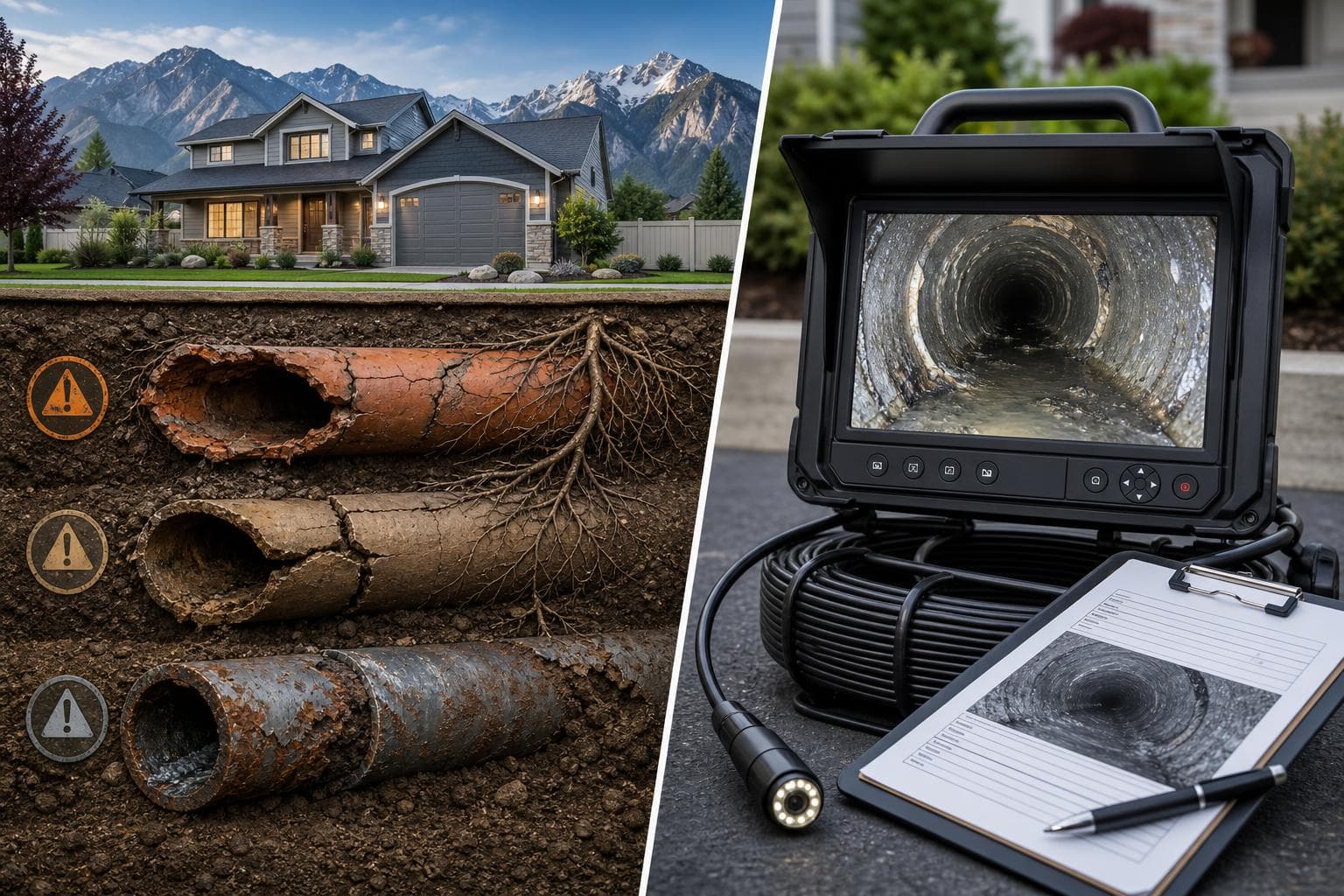
- video timestamp references
- still images of key defects
- plain-language summary of risk level
That keeps the conversation credible and easier to resolve.
The 4 most common negotiation outcomes
In Utah transactions, sewer scope findings usually lead to one of these:
- Seller repairs before close
- Seller credit at closing
- Price reduction
- As-is acceptance with informed risk
No single option is always best. The right move depends on timeline, severity, and contractor availability.
When to ask for credit vs repair
A practical rule of thumb:
- Ask for repair when issue severity is high and scope is clear.
- Ask for credit when timelines are tight or repair scheduling is uncertain.
- Consider price reduction when both sides want simple contract mechanics.
Credits often close cleaner in fast markets because they reduce pre-close coordination risk.
Script your request cleanly
Strong requests are simple and specific:
- What was found
- Why it matters now
- What resolution you are requesting
- Deadline tied to due diligence milestones
Avoid over-claiming. Under pressure, clear and reasonable wins.
Don’t miss this timing trap
Most leverage disappears once due diligence expires.
Book sewer scopes early enough to allow:
- report delivery
- contractor input if needed
- one full negotiation cycle before deadline
Late inspection timing is one of the most common avoidable mistakes.
Bottom line
The best sewer negotiation is documented, calm, and deadline-aware. Use findings as decision-quality evidence, not panic fuel.