If you are buying a home in Utah, this question comes up constantly:
"If the general home inspection looks good, do I still need a sewer scope?"
In most cases, yes.
A standard home inspection usually does not run a camera through the main sewer lateral. So a home can look great on paper while the most expensive underground line has damage no one saw.
Why this matters in Utah specifically
Utah homes face recurring sewer risks that make a sewer camera inspection more than a "nice to have":
- Tree roots pushing into older lines through small cracks or joints
- Soil movement in clay-heavy areas along parts of the Wasatch Front
- Freeze/thaw swings that make existing weak spots worse
- Older housing stock in parts of Salt Lake County and Utah County with aging lateral lines
That combination is why "Utah sewer inspection" and "sewer scope Utah" searches keep growing with homebuyers and agents.
Home inspection vs sewer scope inspection (quick breakdown)
A home inspection checks visible systems and accessible components in and around the house.
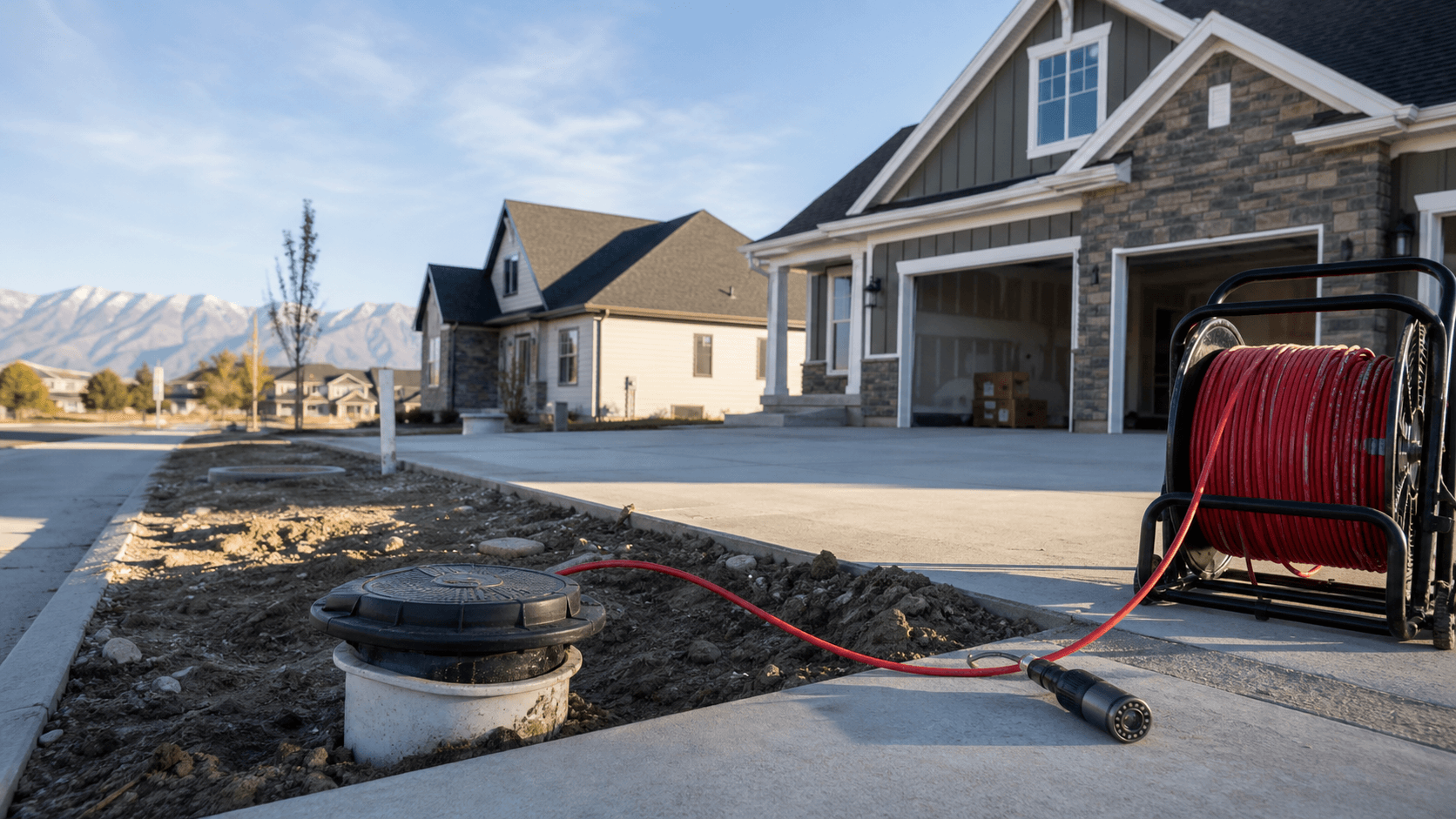
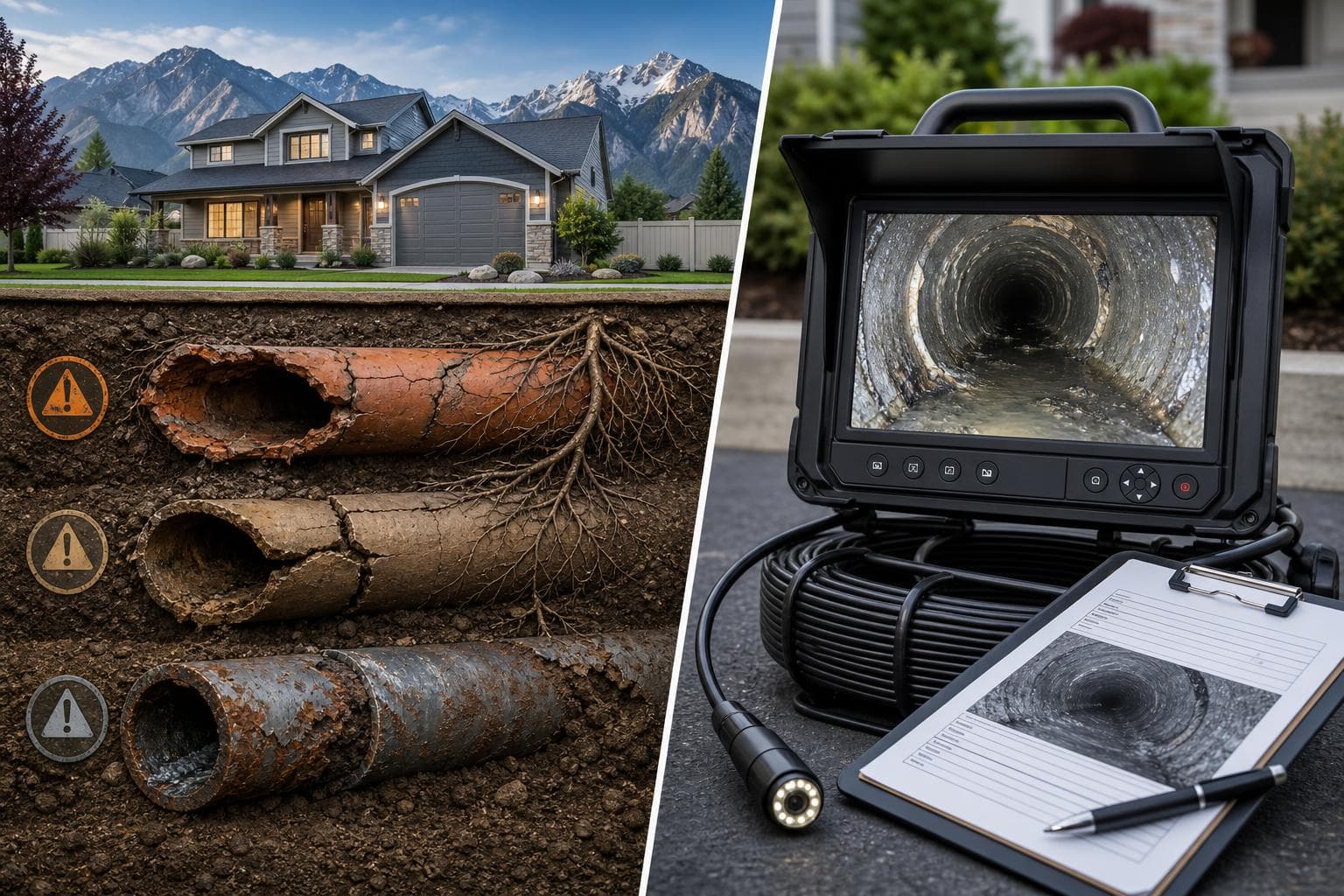
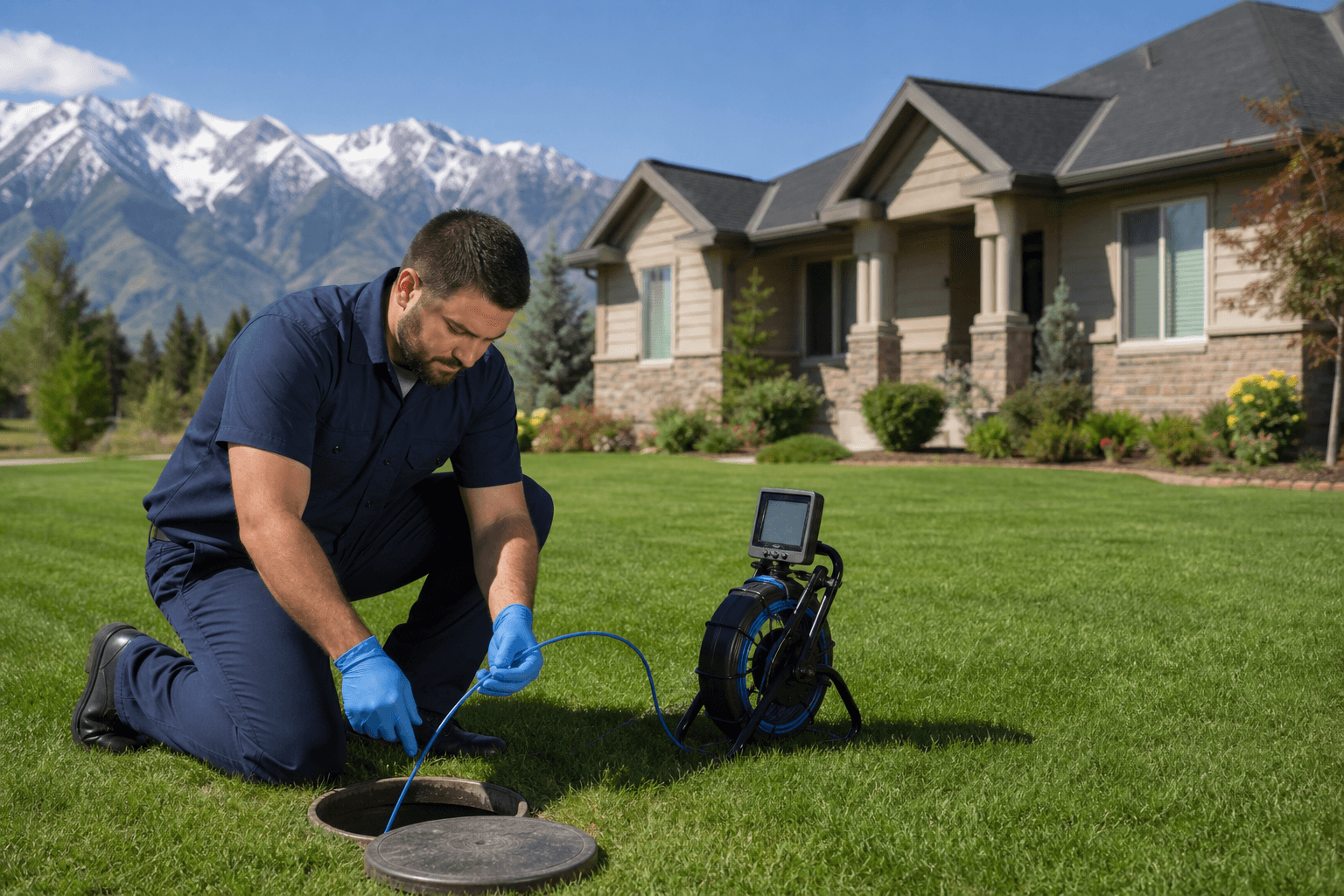
A sewer scope inspection runs a specialized camera through the sewer lateral to check for:
- Root intrusion
- Cracks or fractures
- Offsets at joints
- Bellies (low spots where waste can collect)
- Partial collapses or major blockages
If your goal is to reduce major post-close repair risk, you need both.
What buyers and agents ask most
-
Is a sewer scope included in a standard home inspection?
Usually no. It is often an add-on or a separate service. -
Who pays for a sewer scope in Utah?
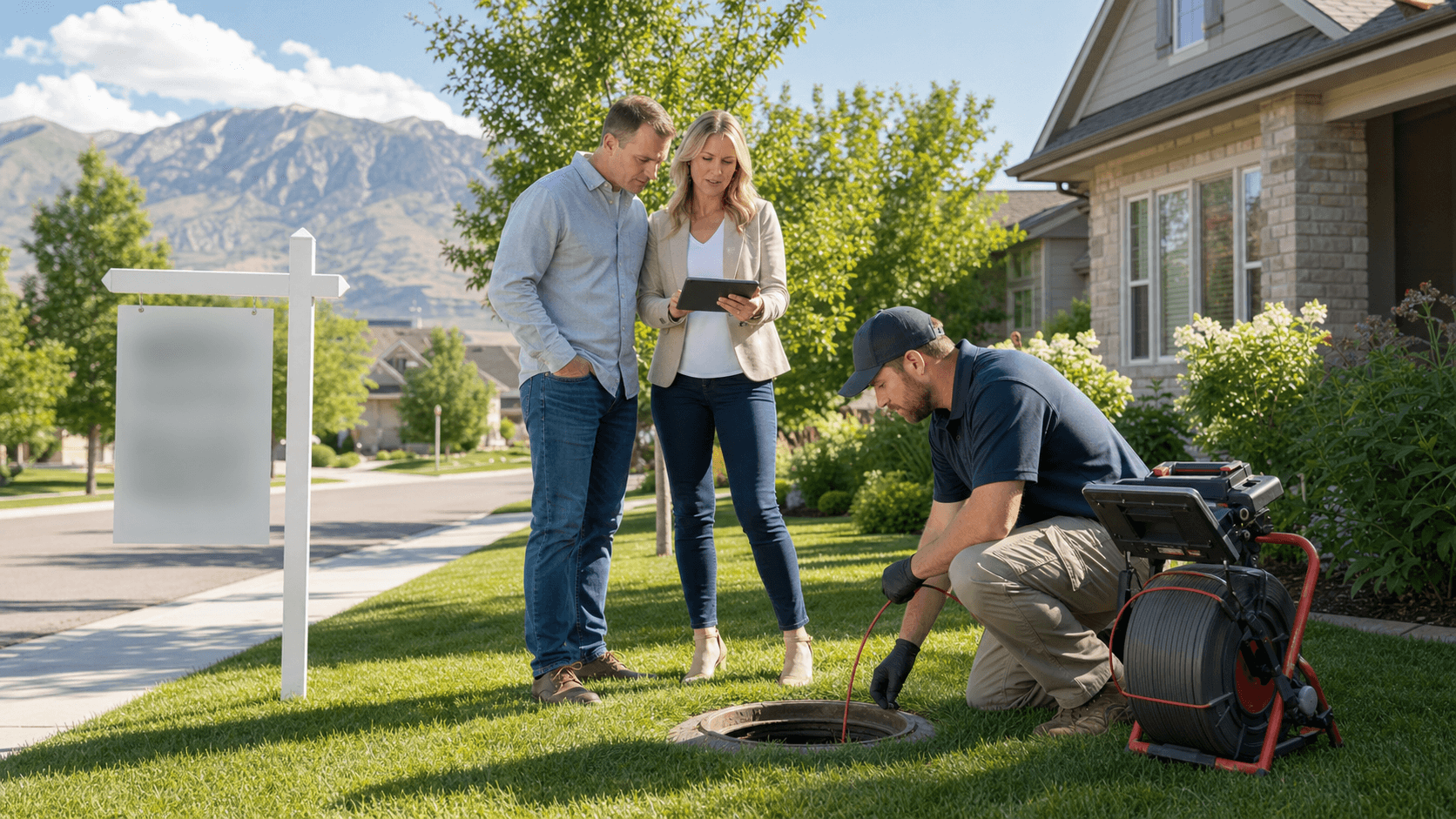
Most often the buyer pays during due diligence, then uses findings in repair or credit negotiations. -
Is the inspection cost worth it?
Usually yes, because the sewer scope fee is small compared with excavation, lining, or full lateral replacement. -
When should it be treated as mandatory?
Older homes, mature trees near the line, recurring drain symptoms, or unknown pipe history.
Red flags that should trigger a sewer scope before closing
- Home built before the mid-1990s with original sewer line
- Large mature trees between the house and street connection
- Slow drains in multiple fixtures
- Gurgling toilets or drain backups in seller history
- Previous patch repairs with no full line documentation
If even one of these is true, a sewer line inspection in Salt Lake City, Provo, Orem, Lehi, or surrounding areas is usually worth doing before your inspection deadline.
Why agents care: deal protection and cleaner negotiations
For real estate agents, a sewer scope helps control transaction risk:
- Fewer surprises late in escrow
- Better documentation for repair requests or seller credits
- Reduced chance of post-close conflict
- More confidence for buyers making final decisions
For buyers, it is a straightforward way to avoid inheriting a five-figure sewer problem.
What a solid Utah sewer inspection report should include
A useful report should include:
- Video run from cleanout to city connection (when accessible)
- Defect callouts (roots, offsets, bellies, cracks, intrusions)
- Approximate location/depth notes where possible
- Priority level for each issue (monitor, repair soon, urgent)
- Clear next-step recommendations before closing
That gives both buyer and agent leverage during due diligence, not after keys are handed over.
Bottom line
If you are buying in Utah, especially in older neighborhoods across Salt Lake County, Utah County, or Davis County, a sewer scope inspection is one of the smartest due-diligence checks you can add.
A small upfront cost can prevent a major surprise after move-in. For most transactions, that is a trade worth making.