If you’ve been in Utah real estate for more than a minute, you’ve seen it: a smooth deal suddenly gets stressful when a sewer issue appears near the end of due diligence.
This year, we’re hearing a clear set of repeat questions from both homeowners and agents. Here are the biggest ones—and the practical answers.
1) “Do we still need a sewer scope if we already have a home inspection?”
Usually, yes.
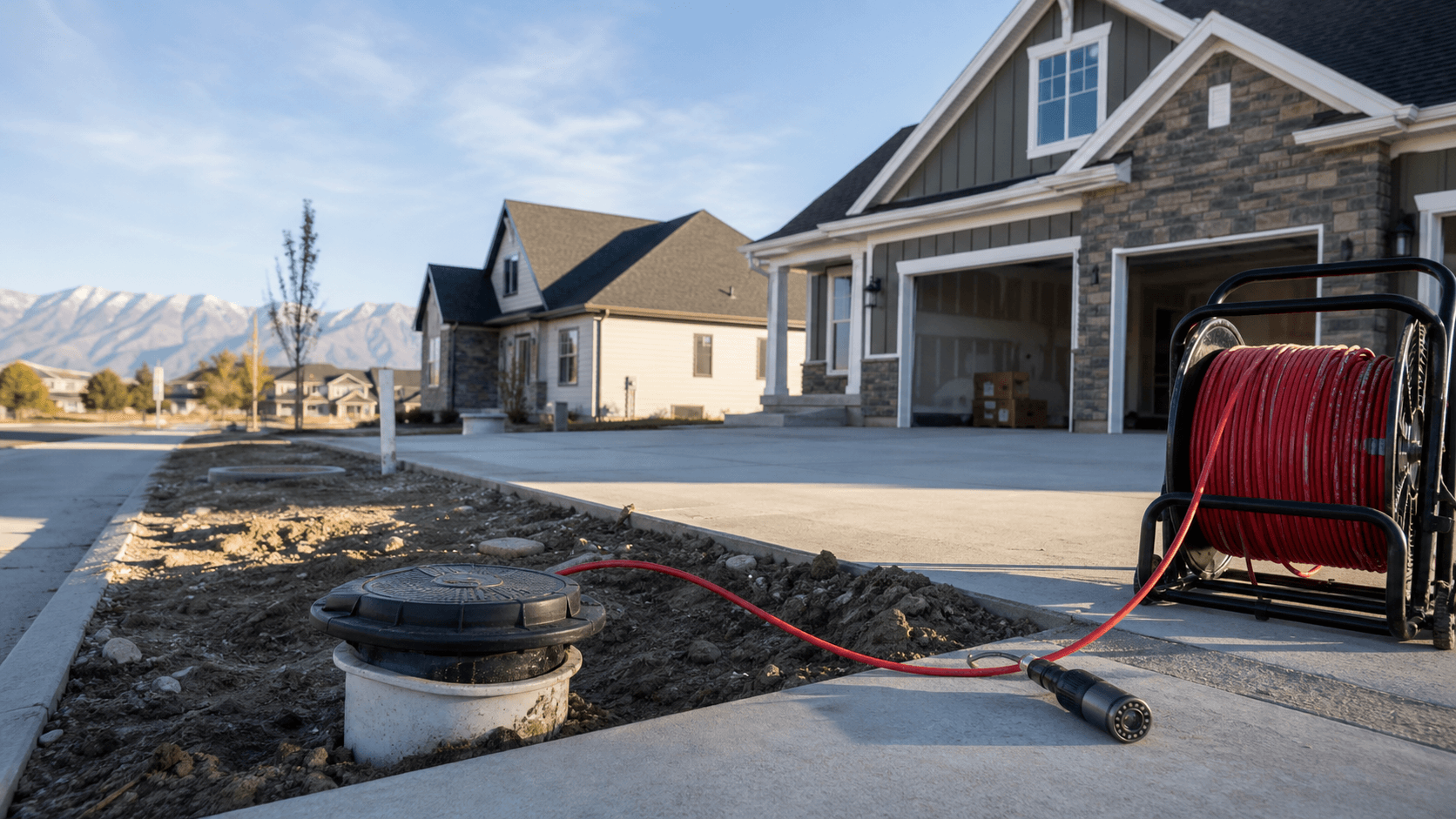
A standard home inspection typically does not run a camera through the sewer lateral. That line can have expensive issues without obvious symptoms inside the house.
A scope is how you turn “unknown” into documented condition before closing. If you want a deeper breakdown, here’s the full guide on sewer scope vs. home inspection.
2) “Who usually pays for the sewer scope in Utah?”
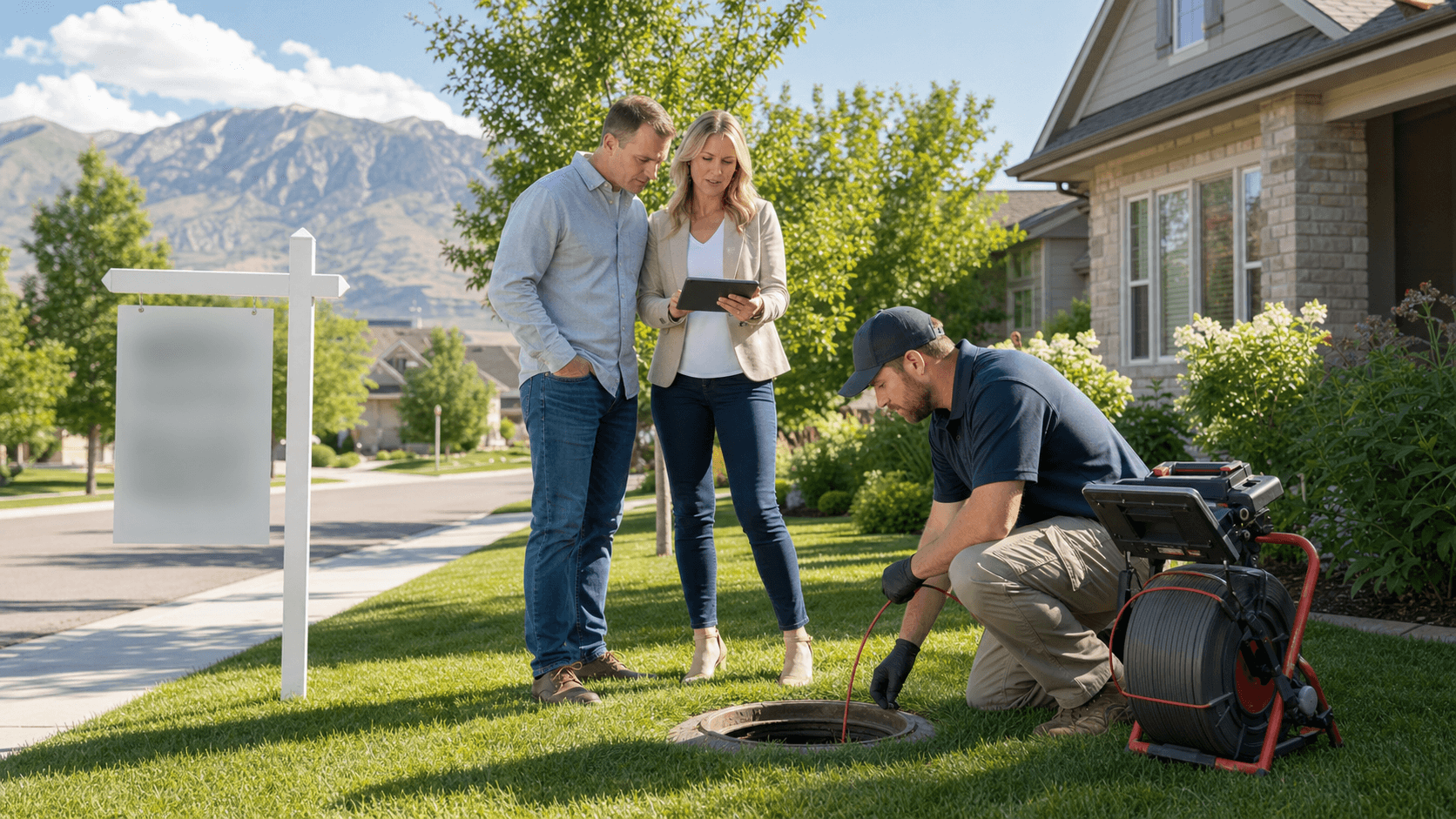
In most transactions, the buyer pays for the inspection as part of due diligence.
But that does not mean the buyer automatically pays for major repairs. If findings are significant, repair costs, credits, or price reductions are commonly negotiated. If you want the tactical version, use this Utah sewer scope negotiation playbook.
3) “How early should we schedule it?”
Earlier than most people think.
In a fast Utah timeline, you want enough runway to:
- Review the footage and written findings
- Get a repair estimate if needed
- Decide on a repair request, credit, or price adjustment
- Negotiate before deadlines close your options
Waiting until the tail end of due diligence is where leverage often disappears. This matters even more in competitive local markets like Provo sewer scope inspections and Salt Lake City sewer scope inspections.
4) “What findings show up most in older Utah areas?”
Across older neighborhoods, the patterns are familiar:
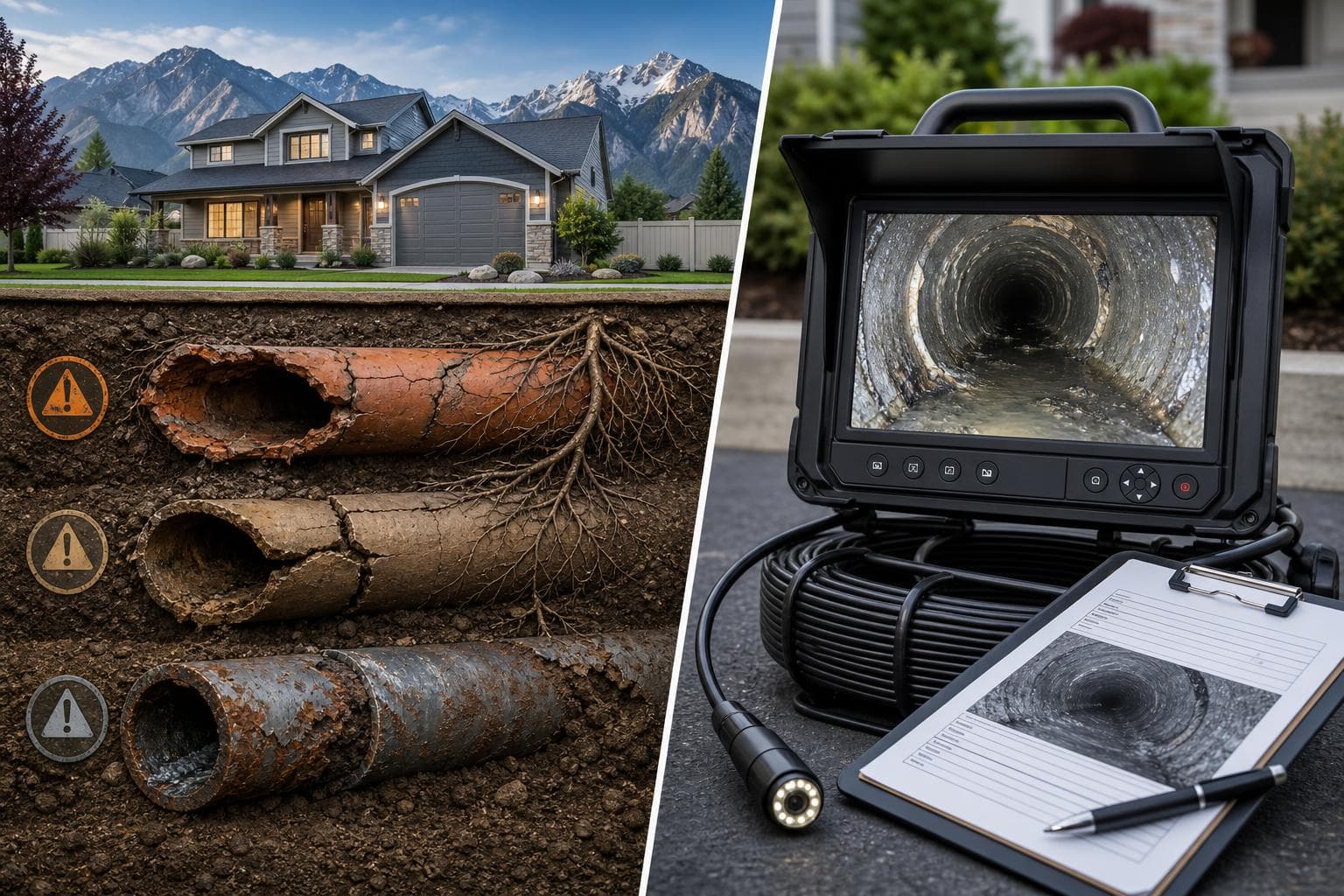
- Root intrusion at joints
- Offset or separated sections from soil movement
- Belly/sag spots that hold water and waste
- Aging clay, cast-iron, or Orangeburg lines with deterioration
Not every finding is a deal breaker—but every major finding should be priced into the decision.
5) “Are homeowners really responsible for the lateral?”
Most Utah cities place lateral maintenance responsibility on the property owner from the home to the city main connection.
That means a problem in that section can become a homeowner expense after closing. It’s one reason agents are prioritizing sewer scopes even on homes that look great otherwise.
Pro tip: confirm local rules with the specific city utility department, since details can vary by municipality.
6) “What if the property has a shared lateral?”
This is a bigger conversation in 2026 than it used to be.
Shared laterals can complicate repairs, cost allocation, and timeline coordination. If a shared line is involved, buyers should understand:
- Exact layout and which homes are connected
- Where repair access exists
- Whether municipal policies require changes over time
A clear report plus location context helps avoid surprises after close.
7) “Can a sewer scope actually help us negotiate?”
Yes—especially when the report is cleanly documented.
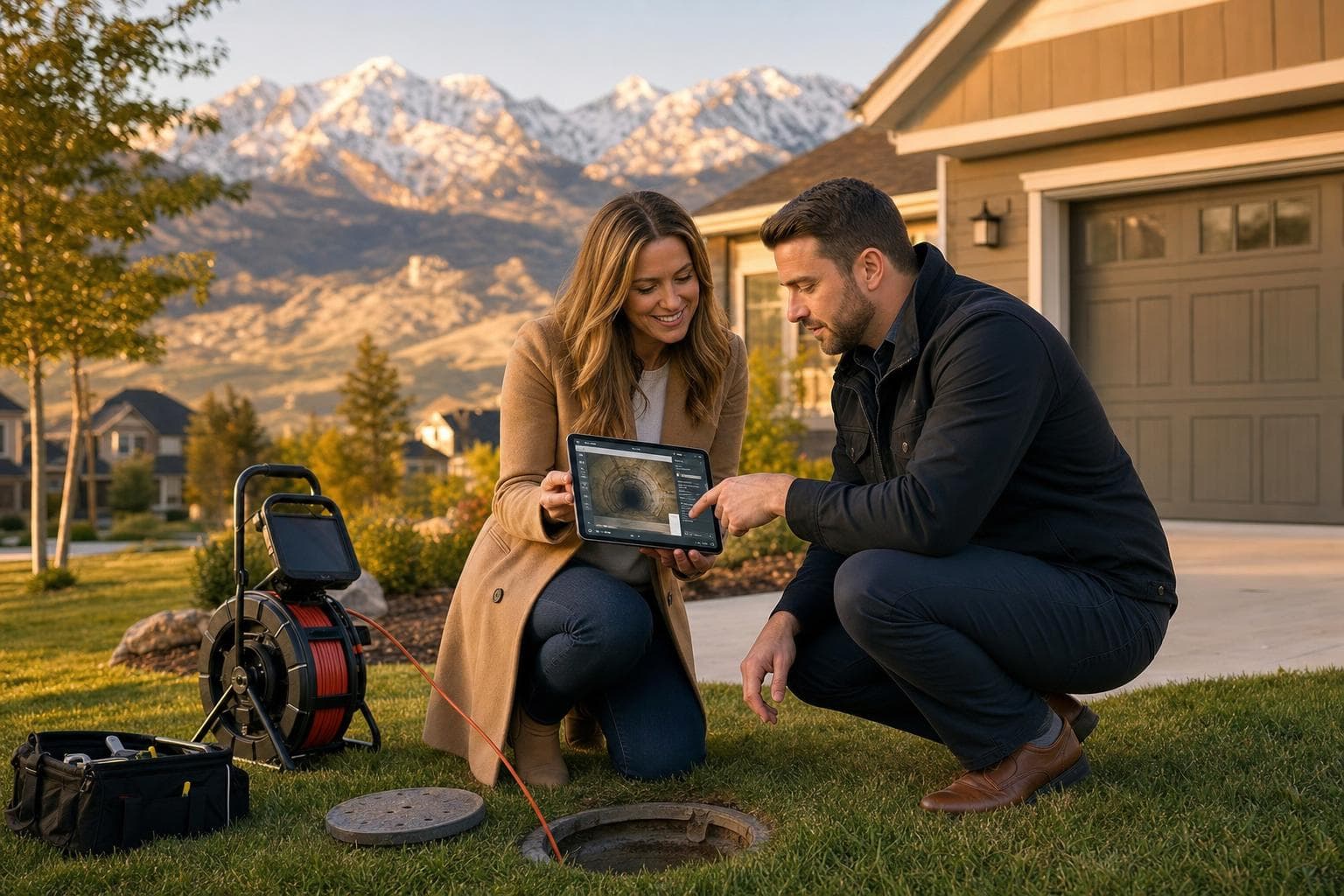
Video evidence, still images, and plain-English findings make it easier for both sides to agree on scope and dollars. Vague notes usually create arguments; clear documentation usually creates decisions.
8) “Should we skip it on newer homes?”
We wouldn’t recommend skipping by default.
Newer homes can still have slope issues, connection defects, debris, or installation-related problems. “New” is helpful—but it’s not a guarantee that the line is perfect.
9) “What should agents ask before hiring a sewer-scope provider?”
At minimum:
- Do you deliver full video and written findings?
- How quickly can you deliver the report?
- Do you clearly mark issue locations and severity?
- Are your reports usable for real estate negotiations?
In tight transactions, speed plus documentation quality matters as much as the camera run itself.
10) “What’s the smartest next step for buyers right now?”
Keep it simple:
- Schedule early
- Review findings fast
- Negotiate from evidence
- Make the close/no-close decision before contingency leverage is gone
That approach protects both budget and timeline—and reduces the odds of owning a hidden sewer problem on day one.
If you want independent sewer findings with real-estate-ready documentation, we can help you move quickly and make decisions from facts.
Related reading for Utah buyers and agents
- Sewer Scope Cost in Utah (2026)
- Who Pays for a Sewer Scope in Utah County?
- Salt Lake City Sewer Scope Inspection
- Provo Sewer Scope Inspection
Need more context first? Browse all sewer scope guides.