New construction feels like the safest possible home purchase.
The roof is new. The appliances are new. The plumbing fixtures have barely been used. So it is reasonable for a buyer or agent to ask:
Do you really need a sewer scope on a brand-new Utah home?
In many cases, yes. A new home can still have sewer line problems that are invisible from the final walkthrough, the builder orientation, and the standard home inspection. The risk is not old pipe. The risk is installation, slope, construction debris, missing connections, crushed sections, or a line that was never fully verified under real-use conditions.
If you are buying in a fast-growing Utah area like Lehi, Saratoga Springs, Eagle Mountain, Herriman, Daybreak, Spanish Fork, or northern Utah County, a new construction sewer scope can give you documented confidence before closing.
New construction sewer scope Utah: why it matters
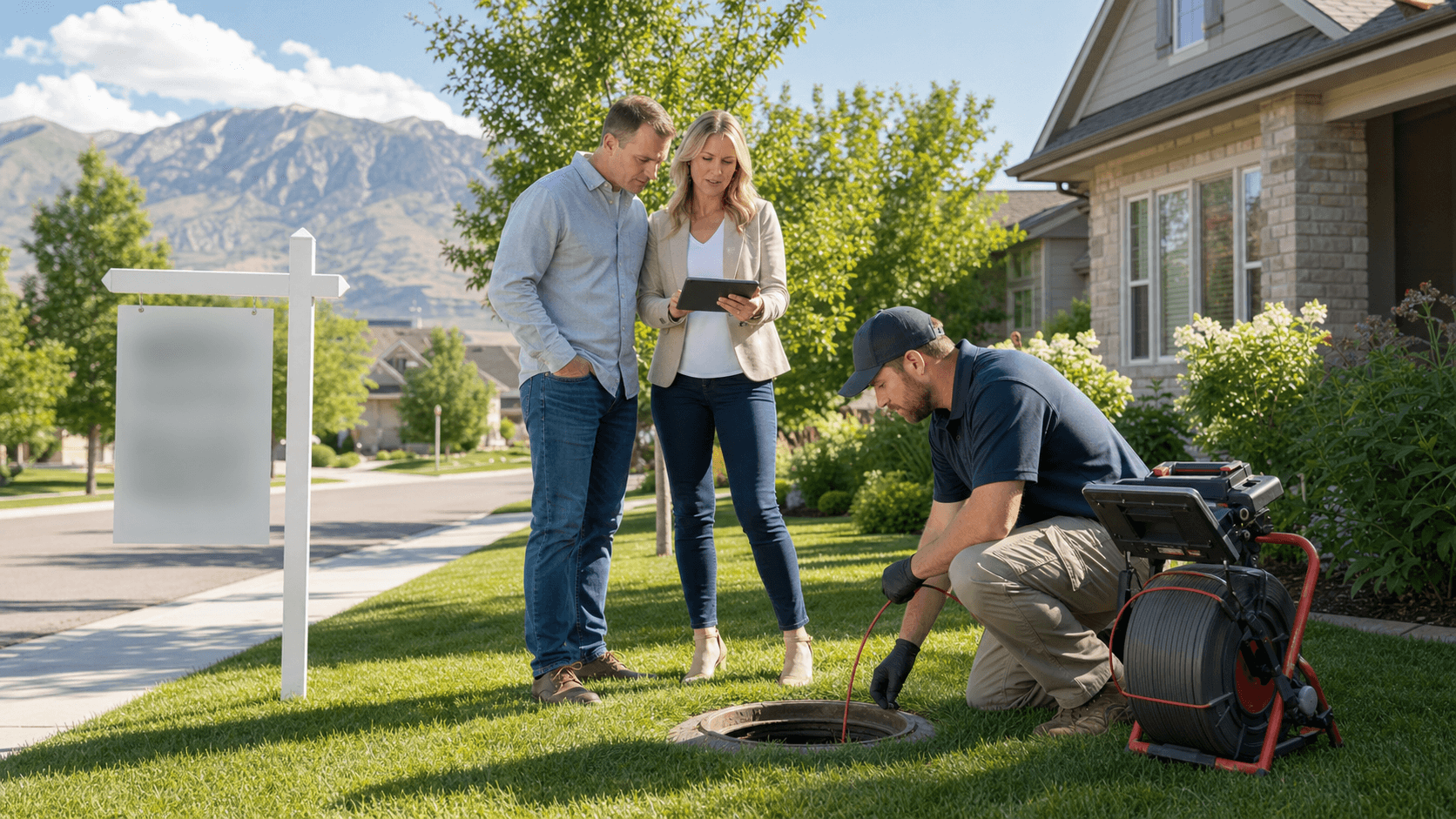
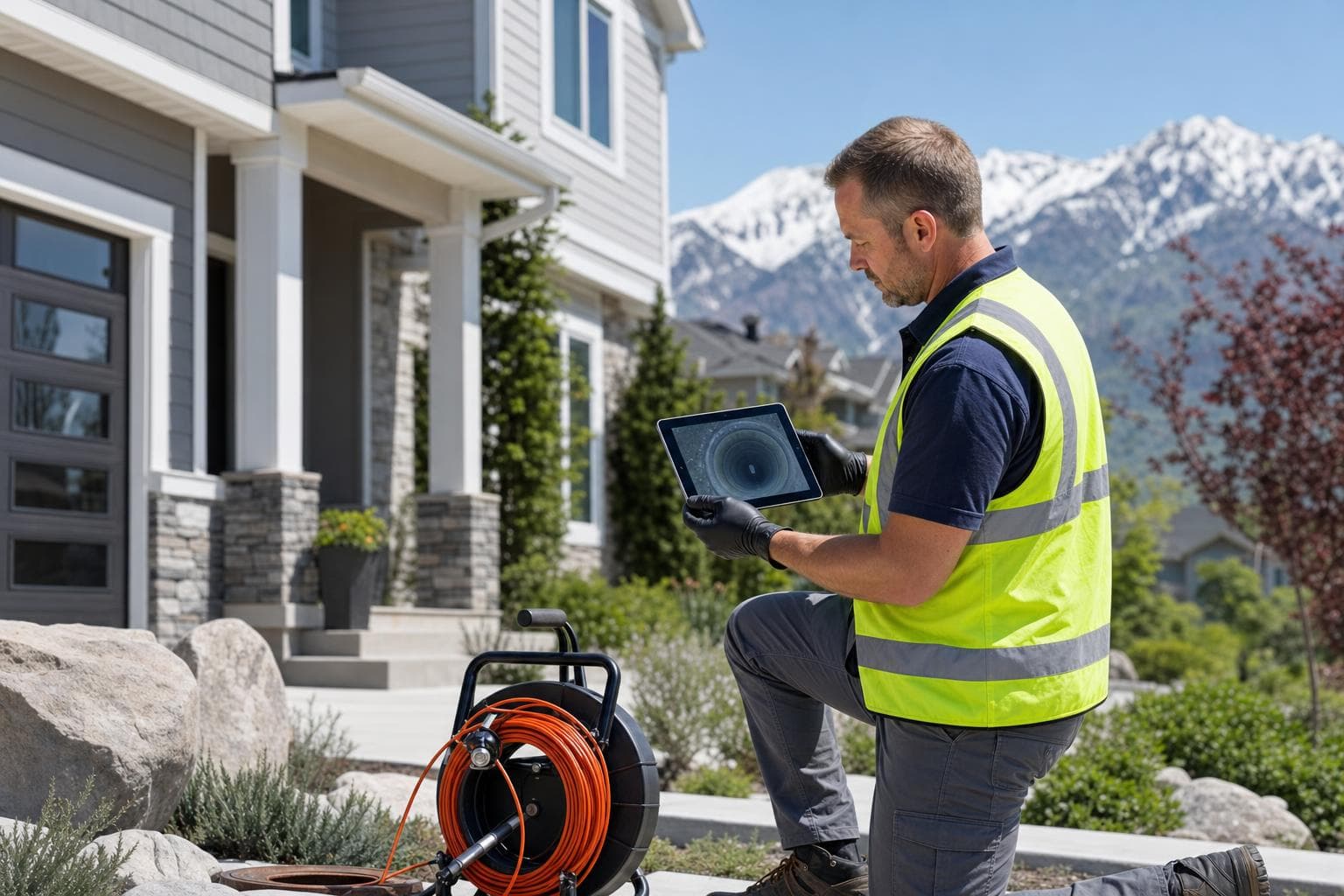
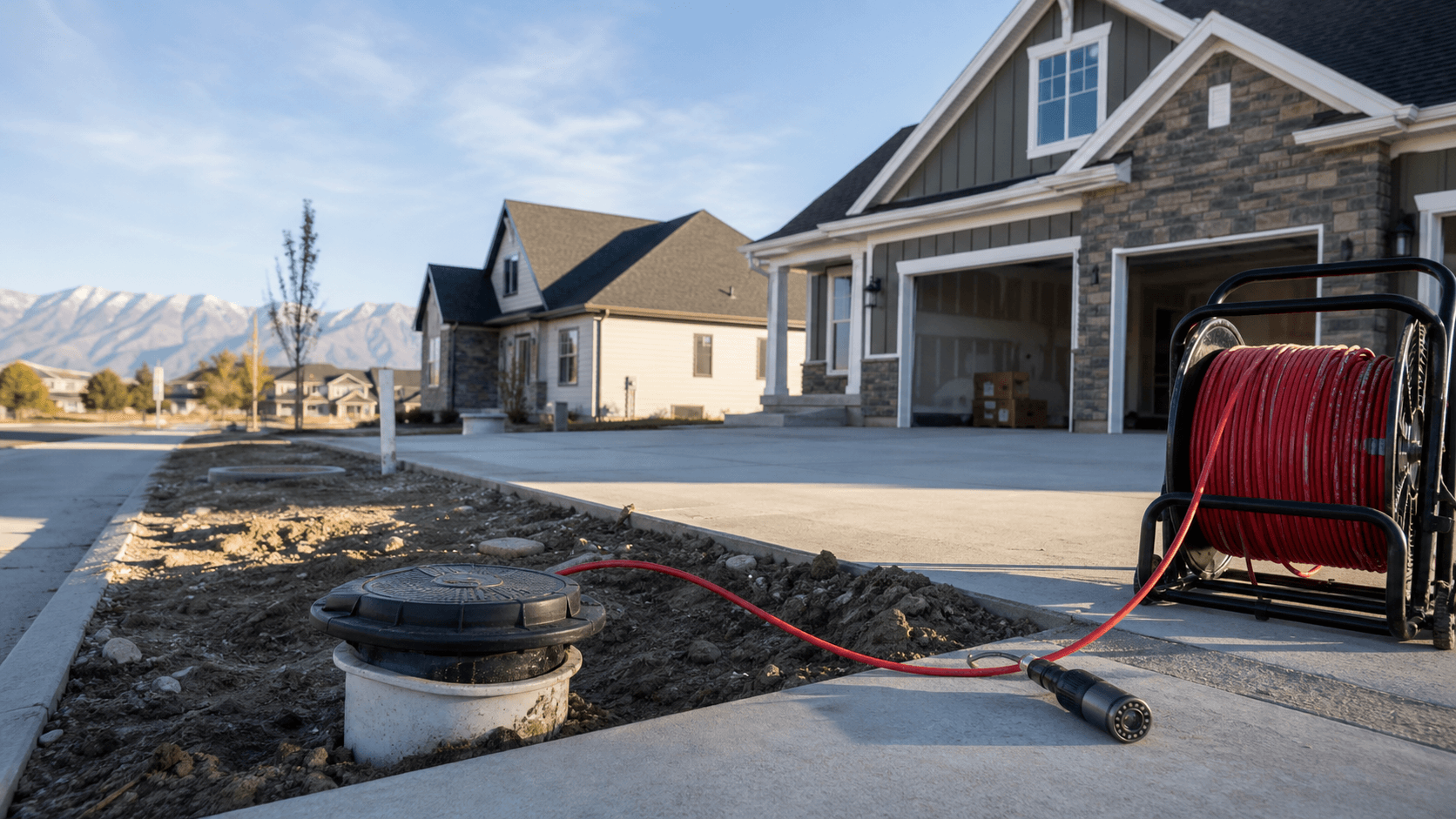
A sewer scope is a camera inspection of the main sewer lateral: the underground line that carries wastewater from the house to the city sewer connection or other approved connection point.
On an older home, buyers usually worry about age-related defects like roots, offsets, Orangeburg, clay pipe joints, or corrosion. On a new build, the concern is different.
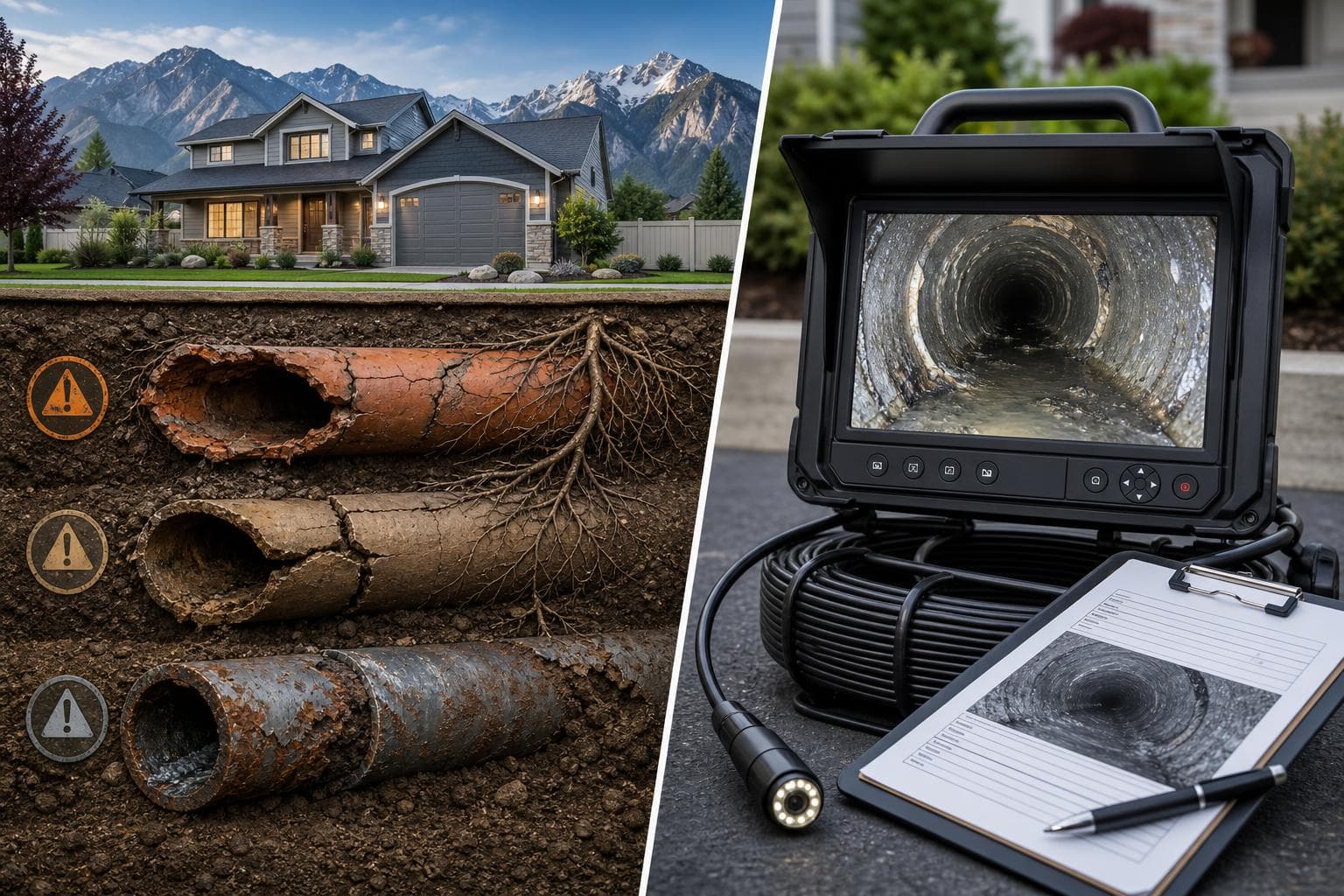
A new construction sewer scope in Utah is looking for problems such as:
- construction debris left in the line
- improper slope that lets water sit instead of drain
- low spots or bellies created during backfill
- crushed or deformed pipe from equipment or soil movement
- disconnected, misaligned, or poorly joined sections
- damage near the foundation or street connection
- evidence that the line was not fully functional before closing
The home can look perfect above ground while one of those issues sits underground.
"But the city inspected it" is not the same as a sewer camera review
Municipal inspections and builder quality checks matter. They are part of the process for a reason.
But buyers should not assume that a city approval means the full private sewer lateral was reviewed with camera footage from the house to the connection. A final approval may confirm code milestones, fixture operation, or required sign-offs without giving the buyer a clear video record of the line condition at the time of purchase.
That distinction matters in Utah new construction because the sewer line may pass through freshly graded soil, new landscaping, driveway areas, sidewalks, park strips, or street cuts. If the problem is underground, it may not show up until laundry, showers, and everyday use begin after move-in.
For a broader comparison, read our guide to sewer scope vs. home inspection. The short version: a standard inspection and a sewer camera inspection answer different questions.
You can also browse the full Utah sewer scope blog for buyer and Realtor guides organized around due diligence, pricing, and negotiation.
What can go wrong with a new-build sewer line?
Most new homes do not have sewer problems. The issue is that the small percentage that do can create expensive, disruptive surprises.
Common new-build sewer concerns include:
Construction debris
Drywall compound, gravel, dirt, plastic, caps, or other jobsite debris can enter a line during construction. Sometimes the line drains during a basic walkthrough but still has enough obstruction to cause repeated backups later.
Poor slope
Sewer lines need consistent fall so waste and water keep moving. If a section is too flat or dips, water can sit in the pipe. That low area can collect solids and become a recurring clog point.
Crushed or shifted pipe
Backfill, compaction, heavy equipment, and settlement can affect a line after installation. A pipe can be new and still damaged.
Bad connection points
The transition from the home to the lateral, or from the lateral to the municipal connection, is a key area to verify. A camera inspection can document whether the connection appears aligned and open.
No symptoms yet
The most frustrating new-build sewer problems are the ones that do not show symptoms until after closing. A few fixture tests during a walkthrough do not equal weeks of real household use.
When Utah buyers should schedule a sewer scope on new construction
The best time is before closing, with enough runway to review findings and ask the builder for a documented fix if needed.
For many Utah buyers, that means scheduling the sewer scope around:
- the final walkthrough
- the buyer inspection window
- the blue tape walkthrough
- the builder punch list period
- the due diligence deadline, if the transaction uses one
If you are working under a Utah due diligence deadline, do not wait until the last day. Schedule early enough to get the video, review the report, and decide whether the issue belongs on the builder punch list or a written repair request.
For timeline planning, our Utah sewer scope cost guide explains what buyers usually compare before booking.
How a sewer scope helps with builder conversations
A sewer concern is easier to resolve when everyone can see the same evidence.
A good sewer scope report gives you:
- video documentation
- still images of relevant findings
- location notes when visible or measurable
- plain-language explanation of what was observed
- a clearer basis for follow-up with the builder, plumber, or site superintendent
That is better than saying, "We are worried about the sewer." It lets the conversation stay specific:
"The camera shows standing water in this section."
"There appears to be debris in the line before closing."
"This connection should be reviewed before we sign off."
Builders are more likely to respond cleanly when the issue is documented before the buyer owns the home.
What Realtors should tell new-construction buyers
For agents, the point is not to scare buyers away from new construction. It is to set a simple expectation:
New does not mean uninspected underground.
A practical script:
"Even with a new build, the sewer lateral is underground and separate from what we can see during the walkthrough. A sewer scope is a focused camera inspection that can catch installation or construction issues before closing."
That framing keeps the recommendation calm and professional. It also helps buyers understand why the inspection is different from the builder walkthrough.
New construction vs. resale sewer scope priorities
Here is a simple way to compare the two:
| Purchase type | Main sewer risk | What the scope helps verify |
|---|---|---|
| Resale home | Age, roots, pipe material, prior repairs, offsets | Condition and repair risk before negotiation |
| New construction | Installation, slope, debris, connection issues, jobsite damage | Function and workmanship before closing |
Both are worth checking. The reason changes by property type.
If you are comparing older Utah homes, also read Utah sewer pipe types: which ones are high-risk?.
FAQ: new construction sewer scopes in Utah
Do I need a sewer scope if the home is brand new?
Often, yes. A brand-new line can still have installation defects, debris, slope problems, or connection issues. A sewer scope gives you video evidence before closing instead of waiting for a backup after move-in.
Will the builder warranty cover sewer problems?
Maybe, but warranty coverage is not the same as avoiding disruption. If a problem can be documented before closing, the buyer may have a cleaner path to getting it corrected before move-in. Always review your builder documents and ask your agent how to handle repair requests in writing.
Is a sewer scope included in a new construction home inspection?
Usually not automatically. A standard inspection may test visible plumbing fixtures, but the sewer lateral requires specialized camera equipment. Confirm whether your inspector includes it or whether you need a separate sewer scope provider.
What if the line has no cleanout access?
Access depends on the property. A sewer scope provider can explain available access points and whether the line can be inspected safely. If access is missing or blocked, that itself may be worth discussing with the builder before closing.
What should I do if the scope finds debris or standing water?
Ask for the finding in writing with video or image documentation. Then work with your Realtor, builder representative, and any needed plumbing professional to decide whether the line should be cleaned, repaired, re-scoped, or otherwise verified before closing.
Book a new construction sewer scope before closing
If you are buying a new home in Utah County, Salt Lake County, or nearby Wasatch Front communities, do not leave the underground line to guesswork.
Book your sewer scope inspection early enough to review the findings, document any builder follow-up, and close with clearer confidence.